

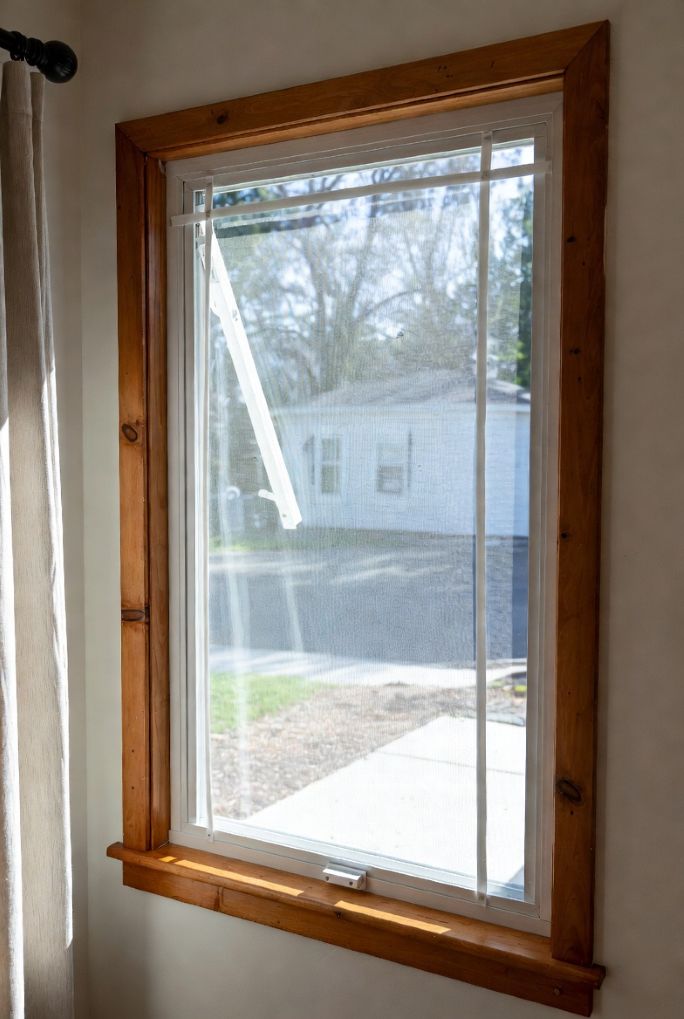
Energy efficiency in modern buildings often depends on how well we manage the invisible waves of light and heat hitting our windows. While glass provides a view of the outside world, it is a poor insulator against the sun’s intense radiation. This is where screen fabric comes into play. Unlike traditional curtains that simply block vision, these specialized materials are engineered to filter specific spectrums of light while allowing air to circulate. They act as a functional skin for structures, balancing the need for natural illumination with the necessity of temperature control.
The effectiveness of these systems relies heavily on the quality of the weave and the chemical composition of the fibers. The International Organization for Standardization (ISO) provides rigorous benchmarks for measuring the solar transmittance of these materials to ensure they perform under extreme conditions. High-quality outdoor fabrics, such as a screen fabric (screendoek), are designed to withstand UV degradation while maintaining structural integrity. By selecting the right density, users can determine exactly how much solar energy enters a space, which directly impacts both comfort and utility costs.
The Physics of Light Diffusion and UV Protection
At its core, screen fabric works through the principles of reflection, absorption, and transmission. When sunlight hits the material, the fibers either bounce the energy back into the atmosphere or absorb it before it can reach the glass pane. Research from the Lawrence Berkeley National Laboratory suggests that high-performance solar shades can reduce solar heat gain by up to 80% when installed on the exterior of a building. This is far more effective than interior blinds, which allow heat to pass through the glass before attempting to trap it.
Color choice plays a massive role in how these materials behave. Darker weaves are excellent for glare reduction and provide better “view-through” because they absorb more visible light, preventing reflections that obscure the eyes. Conversely, lighter colors are superior for heat reflection. Data from the National Fenestration Rating Council (NFRC) indicates that white or light gray yarns reflect a higher percentage of infrared radiation. This prevents the “greenhouse effect” inside rooms, making them essential for south-facing windows in warmer climates.
Thermal Regulation and Energy Savings
Controlling heat is not just about comfort; it is about the physics of thermodynamics. Modern mesh materials are often coated with polyvinyl chloride (PVC) or infused with metallic layers to enhance their thermal properties. These coatings reflect long-wave infrared radiation, which is the primary culprit behind rising indoor temperatures. By creating a thermal barrier, these fabrics reduce the load on air conditioning systems. The U.S. Department of Energy notes that smart management of window coverings is one of the most cost-effective ways to lower residential energy consumption.
This regulation works in both directions. During colder months, the fabric can provide a thin layer of insulation that helps retain internal warmth. While the primary focus is often on keeping the sun out, the density of the weave also prevents convection currents from stripping heat away from the glass surface. This dual-purpose functionality makes advanced solar textiles a staple in sustainable architectural design.
Applications in Agriculture and Architecture
Beyond the home, the science of light control is vital in large-scale industries. In agriculture, specialized mesh is used to protect sensitive crops from “bolting” or drying out. The Food and Agriculture Organization (FAO) highlights that shade houses allow farmers to extend growing seasons by creating a microclimate that mimics more temperate environments. These agricultural nettings filter specific wavelengths to encourage photosynthesis while blocking the scorching heat that stunts plant growth.
In architecture, architects use these materials to create “living facades.” Large-scale commercial buildings often utilize tensioned mesh structures to wrap entire glass towers. This reduces the building’s carbon footprint by minimizing the need for mechanical cooling. These sun-shading solutions allow for massive glass walls that would otherwise be impractical due to the immense heat they would generate.
Real-World Utility in Labs and Classrooms
In educational and scientific settings, the focus shifts toward precision. Labs often require consistent lighting conditions to ensure that sensitive experiments are not compromised by fluctuating solar intensity. Using high-performance window screens allows technicians to maintain natural light levels without the interference of direct hotspots. Experts at the Illuminating Engineering Society (IES) emphasize that balanced “daylighting” improves concentration and reduces eye strain for students and researchers alike.
Classrooms and startups benefit significantly from these materials because they eliminate glare on digital screens and whiteboards. By diffusing the light, the fabric creates an even distribution of brightness across the room. This removes the need for heavy, darkening drapes that make a room feel closed off. Research on early business growth suggests that environmental optimization is key to productivity. Instead, the space remains bright and connected to the outdoors while remaining thermally stable.
Conclusion
The evolution of screen technology has turned simple window coverings into sophisticated tools for environmental management. By understanding how different weaves and materials interact with the sun, we can create more sustainable and comfortable living spaces. Whether you are looking for a durable weather-resistant mesh or a high-transparency solar cloth, the goal remains the same: mastering the elements through smart design. As global temperatures continue to fluctuate, these sun-blocking solutions will remain a cornerstone of efficient building practices, proving that even a thin layer of fabric can make a world of difference.